
── Awakened After Centuries ──
Discovery
In 1992, one ordinary decision revealed an extraordinary underground secret.
A Decision That Changed Everything
From a bottomless pond to the Ninth Wonder of the World
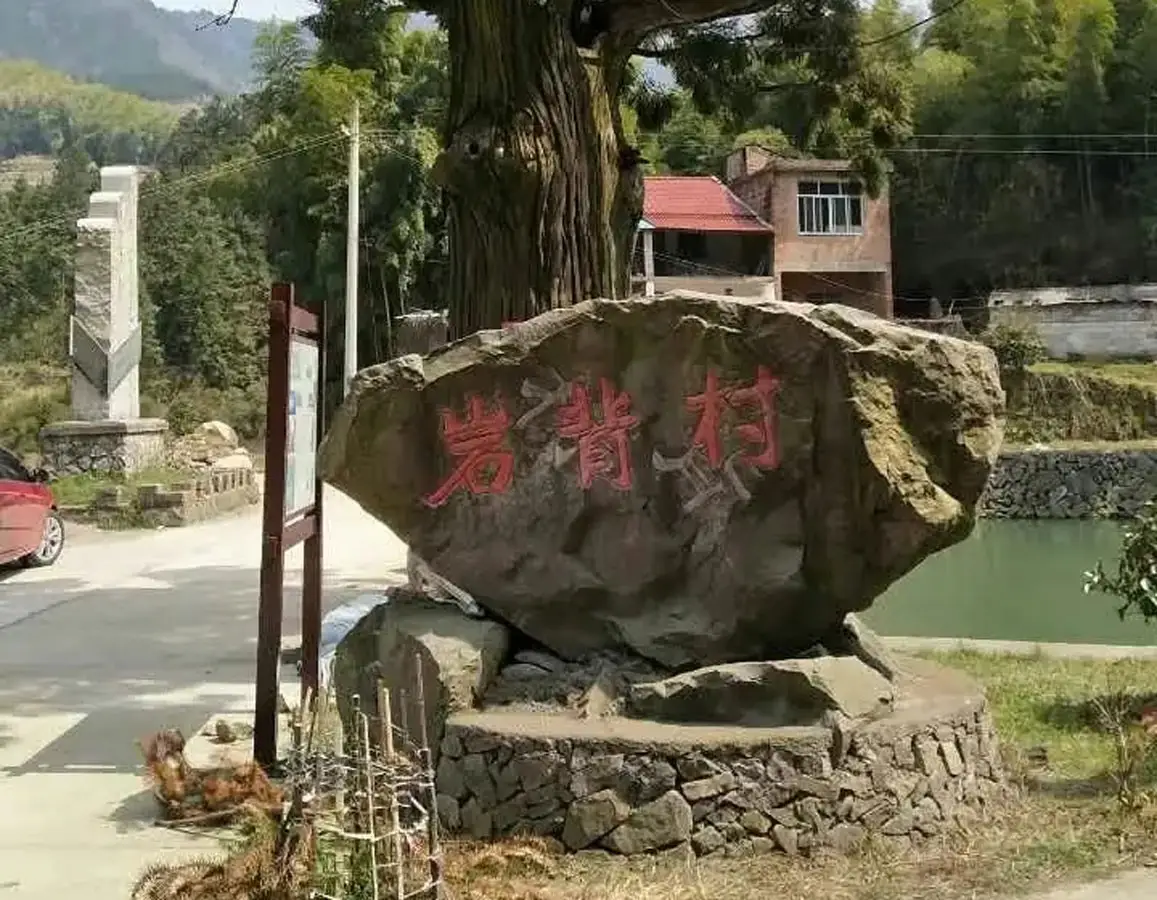
Shiyanbei Village sits north of the Qujiang River in Longyou County, Zhejiang. For generations, villagers spoke of several ponds as being bottomless and full of fish.
In June 1992, Wu Anai and three companions decided to drain one of the ponds. They could not have known that this simple plan would expose a vast underground complex beneath their feet.
The Discovery Path
From curiosity to astonishment, the story unfolded step by step.
Local curiosity
Longstanding stories about the bottomless ponds led villagers to wonder what lay beneath. Wu Anai and three others decided to drain one pond and find out.
Seventeen days of pumping
Four pumps ran day and night. The pond held far more water than expected, and only after 17 days did the hidden stone walls begin to emerge.

The chamber appears
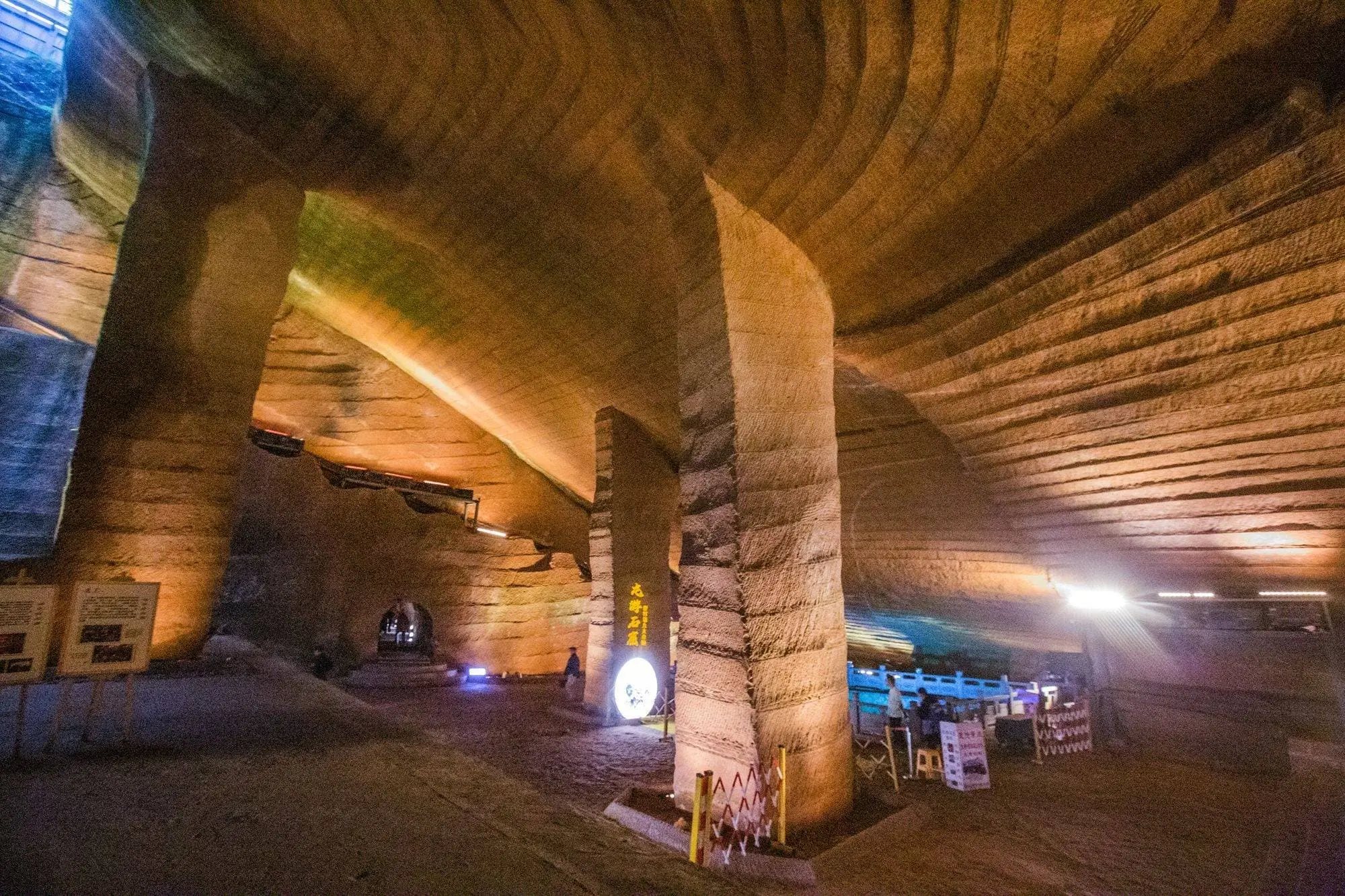
As the water level dropped, a huge man-made cavern came into view, with a high vault, regular pillars, and orderly chisel marks across the walls.
A chain of discoveries
The first cave led villagers and researchers to inspect nearby ponds. Within months, twenty-four similar giant chambers were identified in a compact area near Shiyanbei.
Systematic research begins
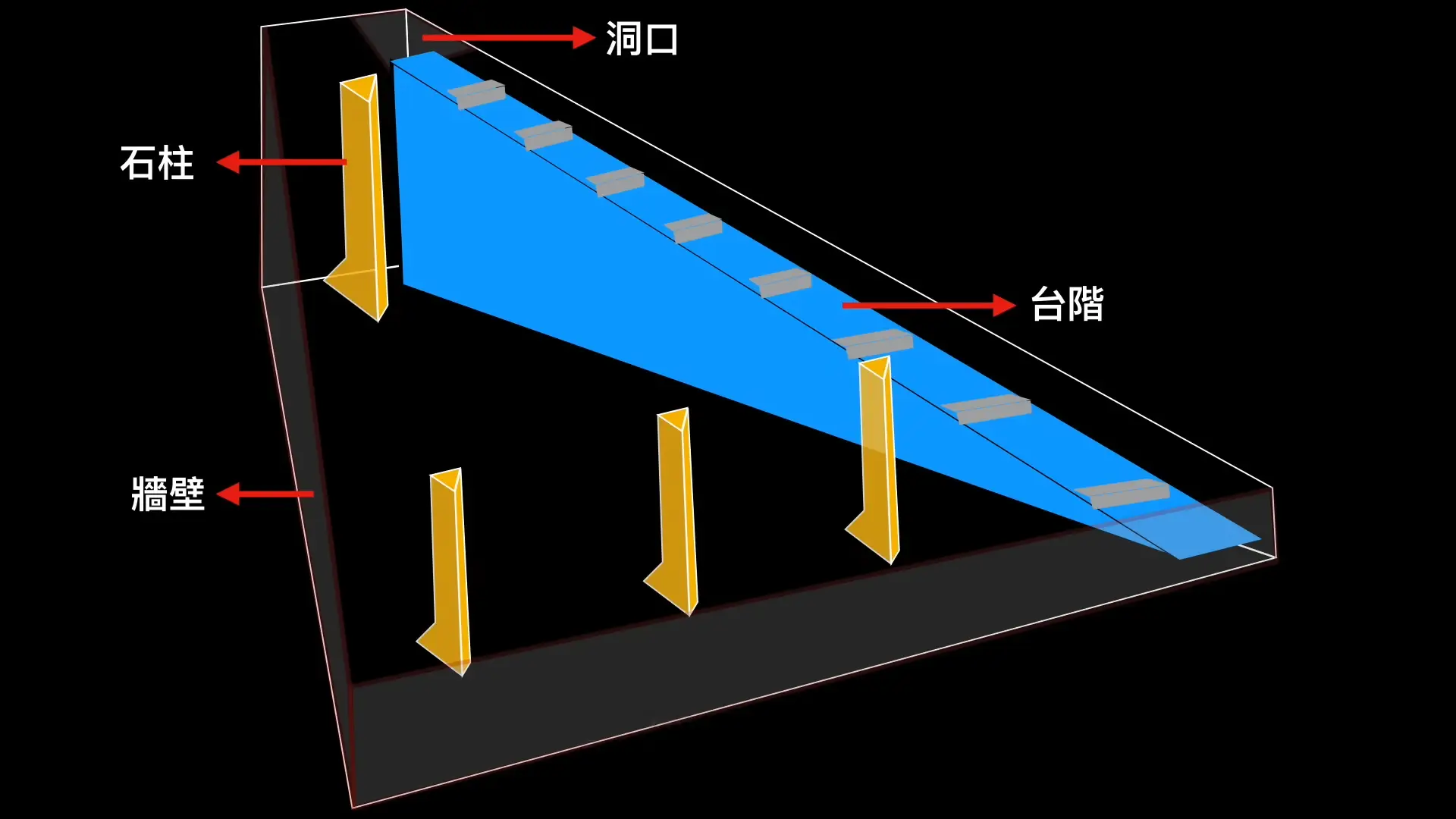
After repeated site visits and historical research, scholars proposed possible dates and functions, but no single explanation has answered all the questions.

National 4A scenic area
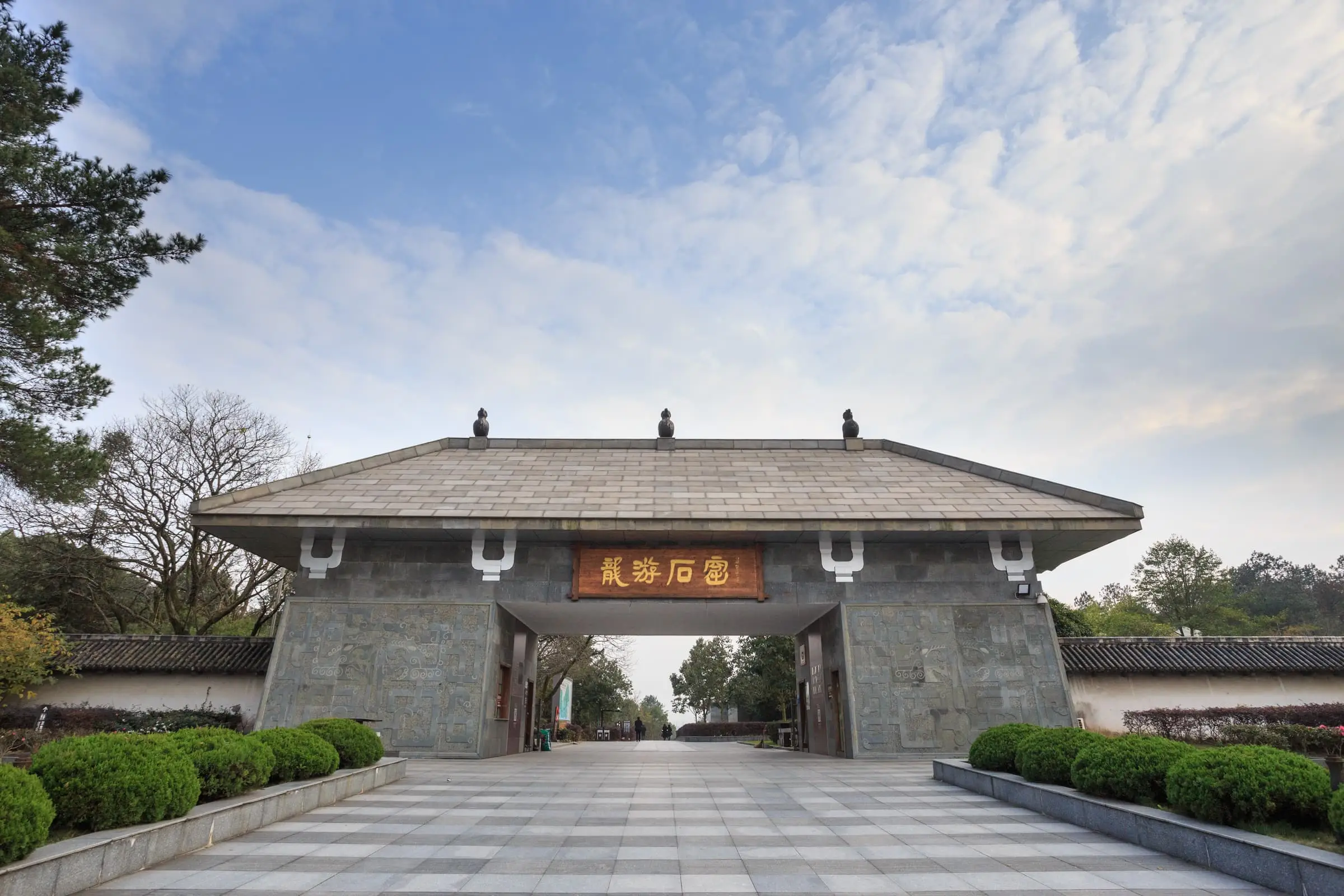
The Longyou Caves were named a national AAAA tourist attraction, becoming a major cultural destination in Quzhou.
Provincial heritage protection
The caves were listed as a Zhejiang provincial cultural heritage site and brought under formal protection.
National key cultural relic
The Longyou Caves, also known as the Xiaonanhai Stone Chambers, were included in China's seventh batch of Major Historical and Cultural Sites Protected at the National Level.
Why It Matters
The discovery changed how people think about ancient engineering.
Carbon dating suggests the caves may date from the late pre-Qin period to the Western Han era.
More caves are distributed along the Qujiang River, with twenty-four cleared and studied.
Despite China's extensive written tradition, no surviving text clearly records this project.