
── Ancient Underground Engineering ──
Structure
Twenty-four chambers, precise spatial design, and stone pillars that still invite close study.
Cave Overview
Key numbers reveal the scale of the Longyou Caves.
Structural Features
A rare underground design with remarkable consistency.
Inverted-funnel form
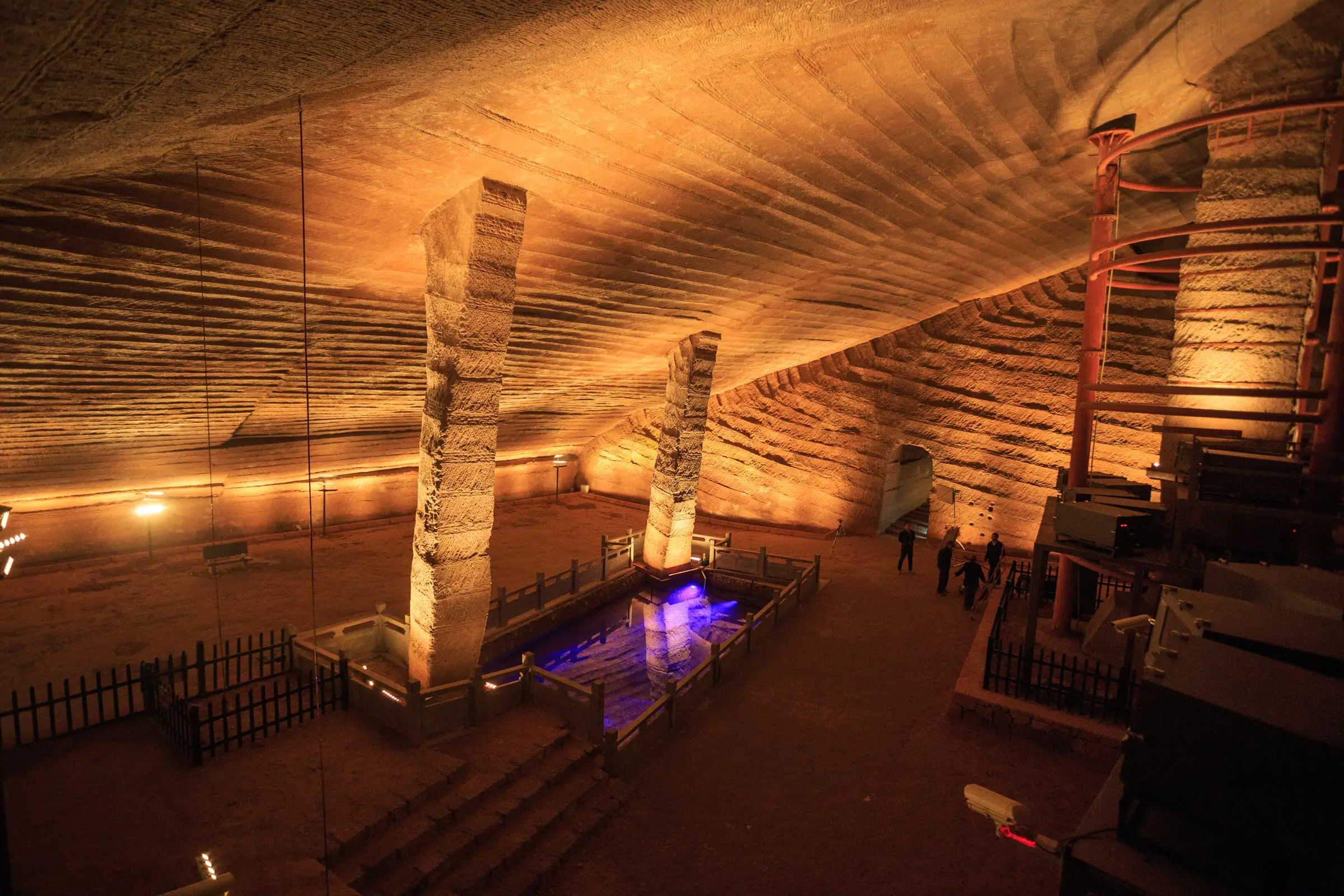
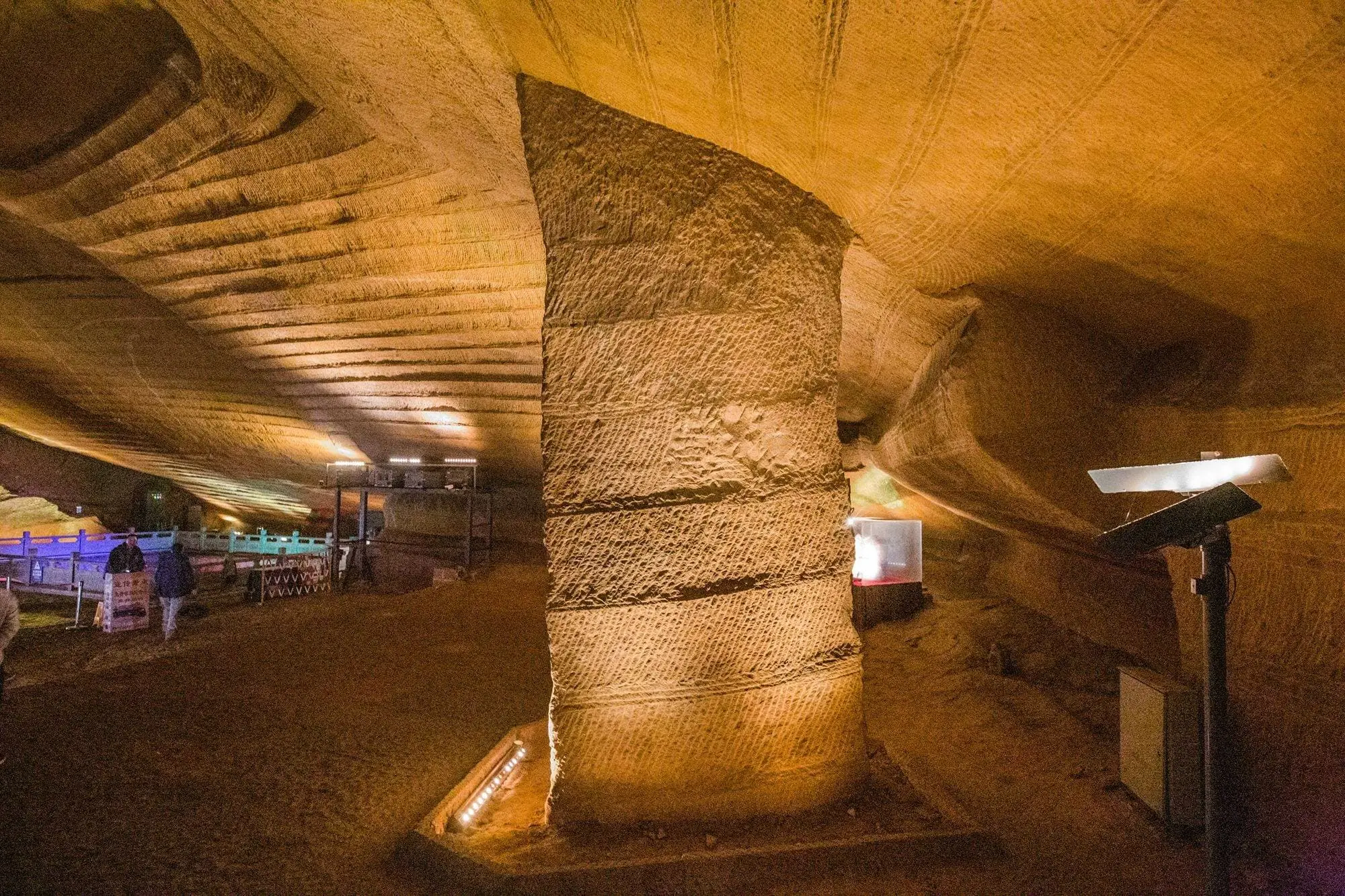
Each chamber narrows near the entrance and opens into a larger underground space. The form helps distribute pressure from the surrounding rock.
Fish-tail-shaped pillars
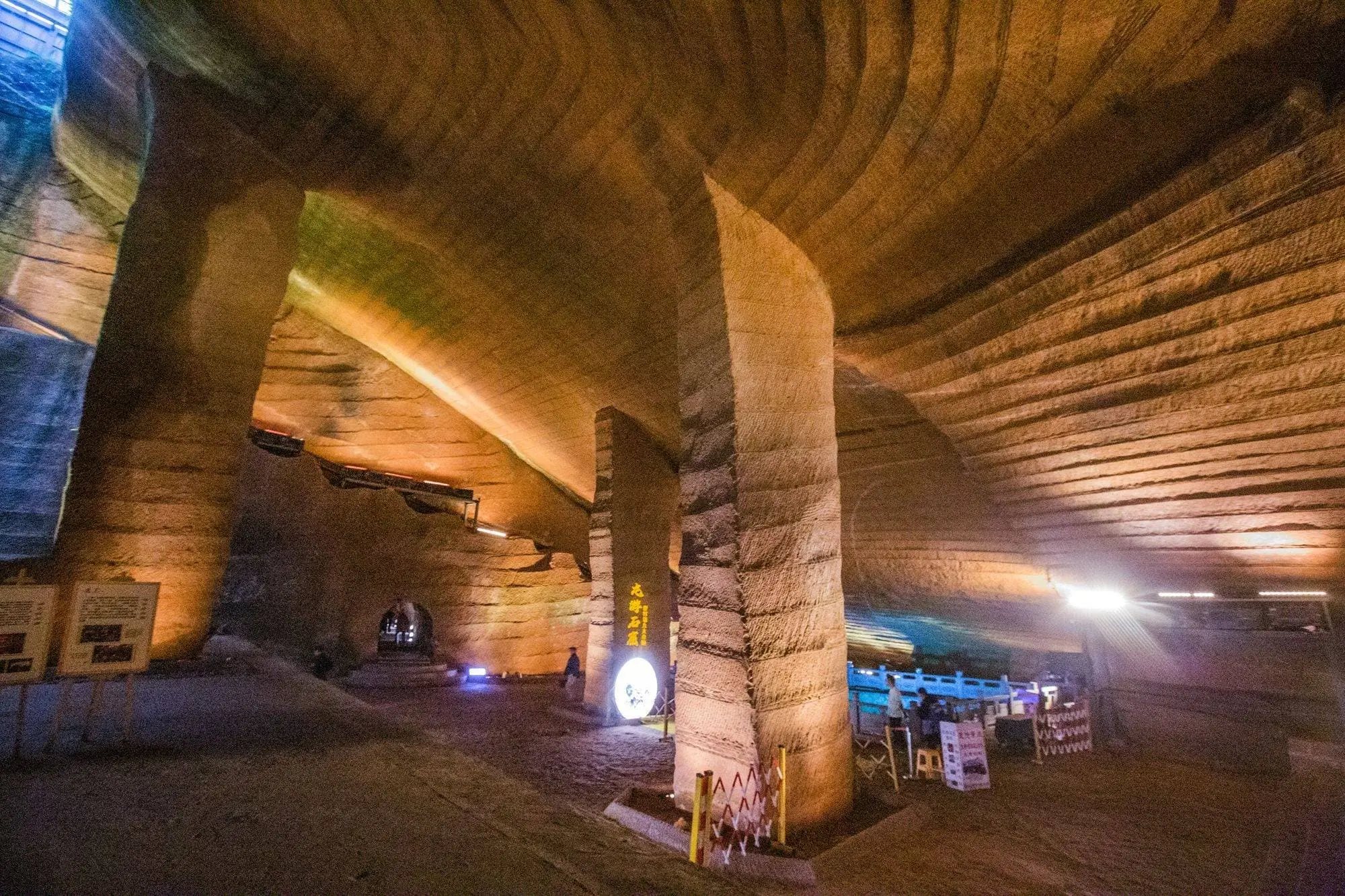
Most chambers preserve two to five massive pillars with distinctive profiles, carrying the weight of the vault above.
Parallel chisel marks
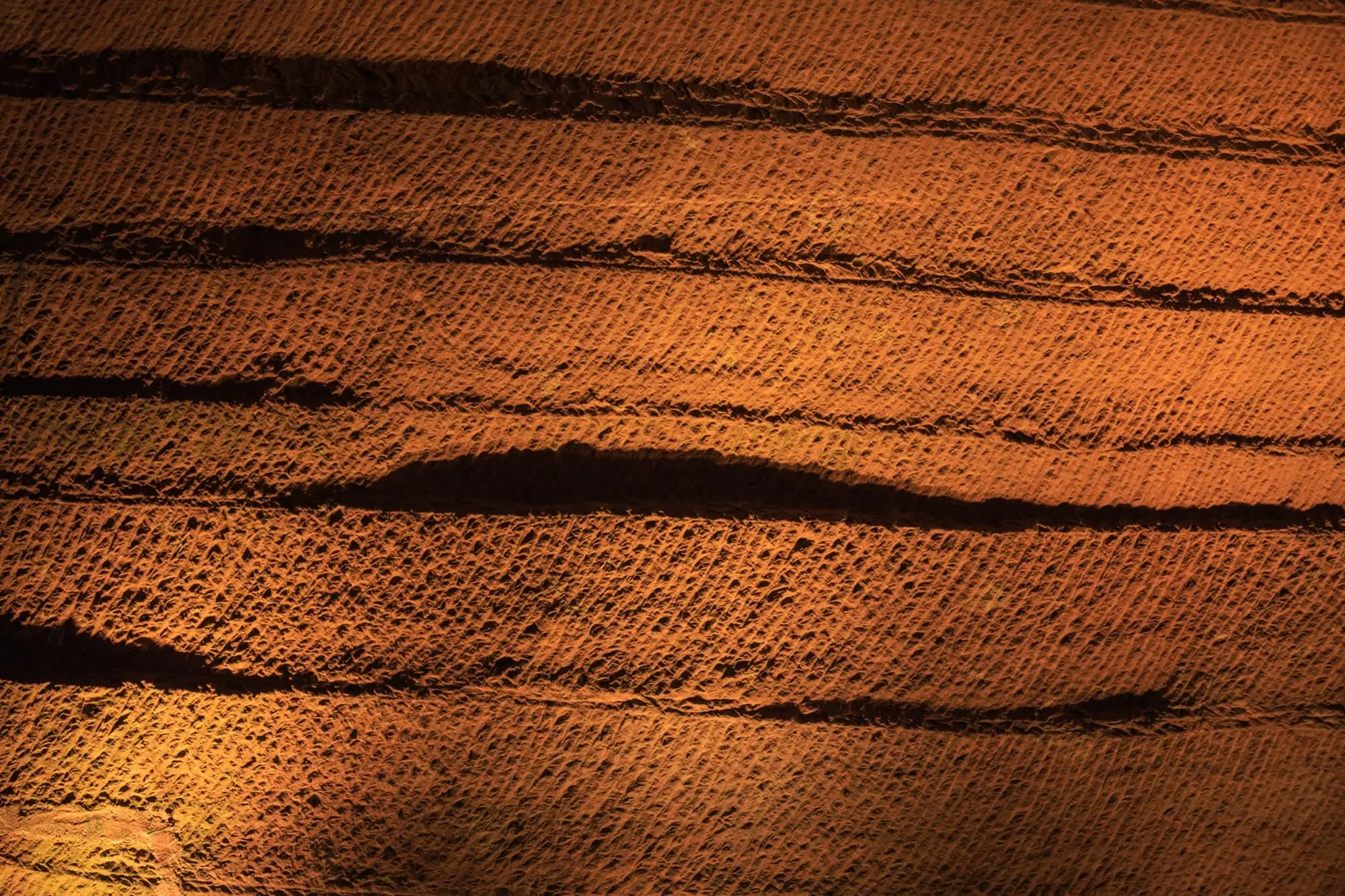
Walls, ceilings, and pillars are covered with orderly diagonal chisel marks, creating one of the site's most recognizable visual patterns.
Independent chambers
Neighboring caves sit close together, yet do not connect. In places the separating walls are very thin, suggesting careful spatial planning.
Inside the Caves
Photographs of the cavern interiors and their monumental scale.
 Vault structure
 Stone pillar and chisel marks
 Underground chamber
 Close-up of a stone pillarUnderground hall
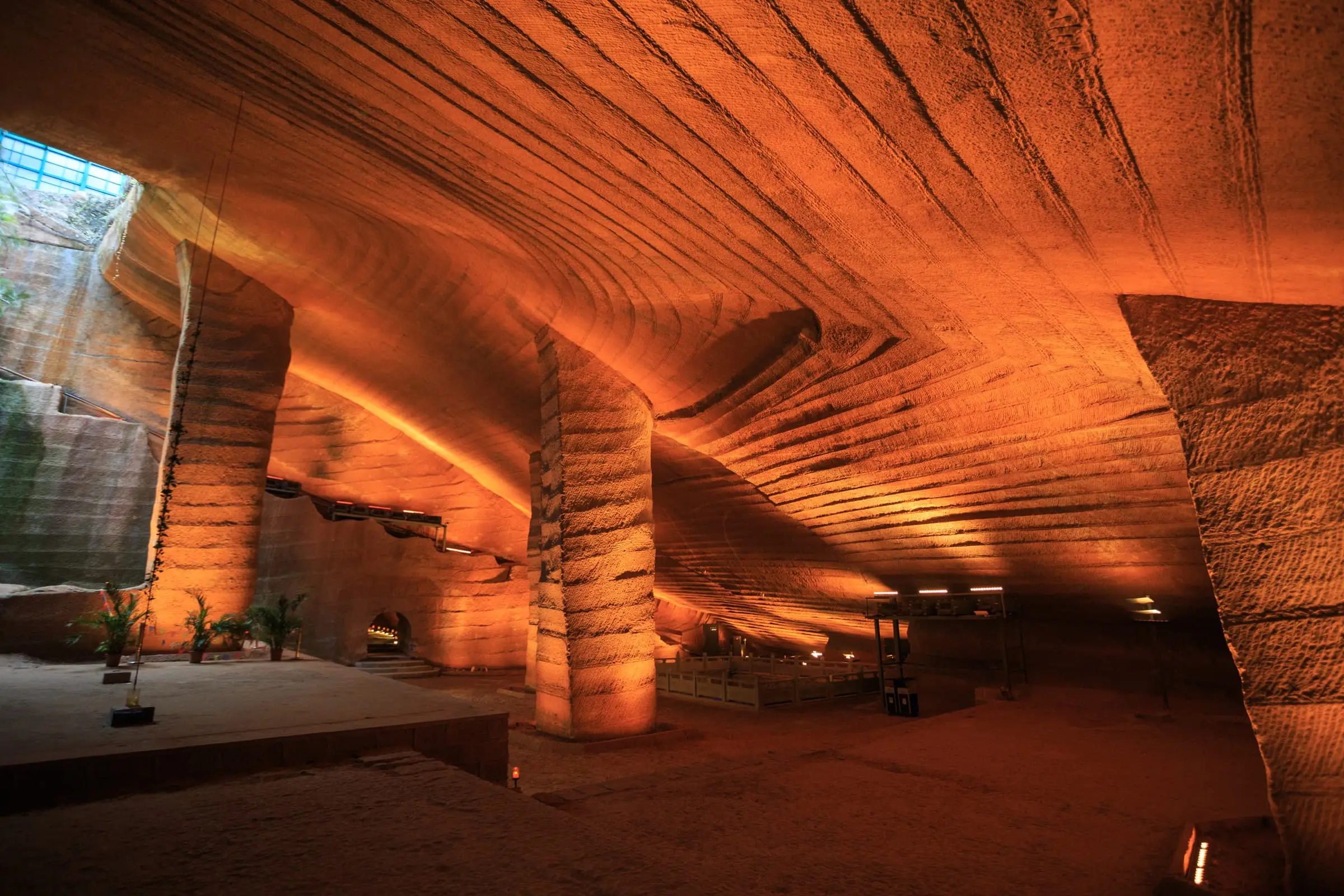 Full view of a cave chamber
Comparisons
How the Longyou Caves compare with other famous ancient sites.
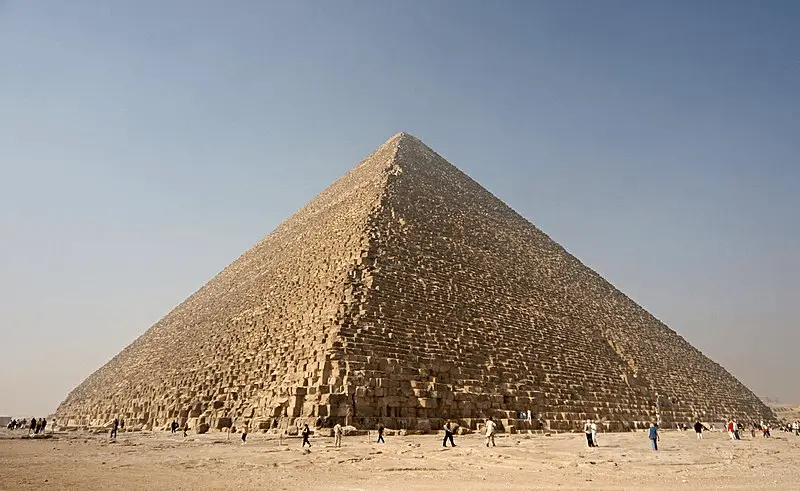
Great Pyramid of Giza
The stone removed from Longyou is often compared with a major share of the Great Pyramid's volume.

Mogao Caves
Mogao is known for Buddhist murals; Longyou is defined by monumental underground space.
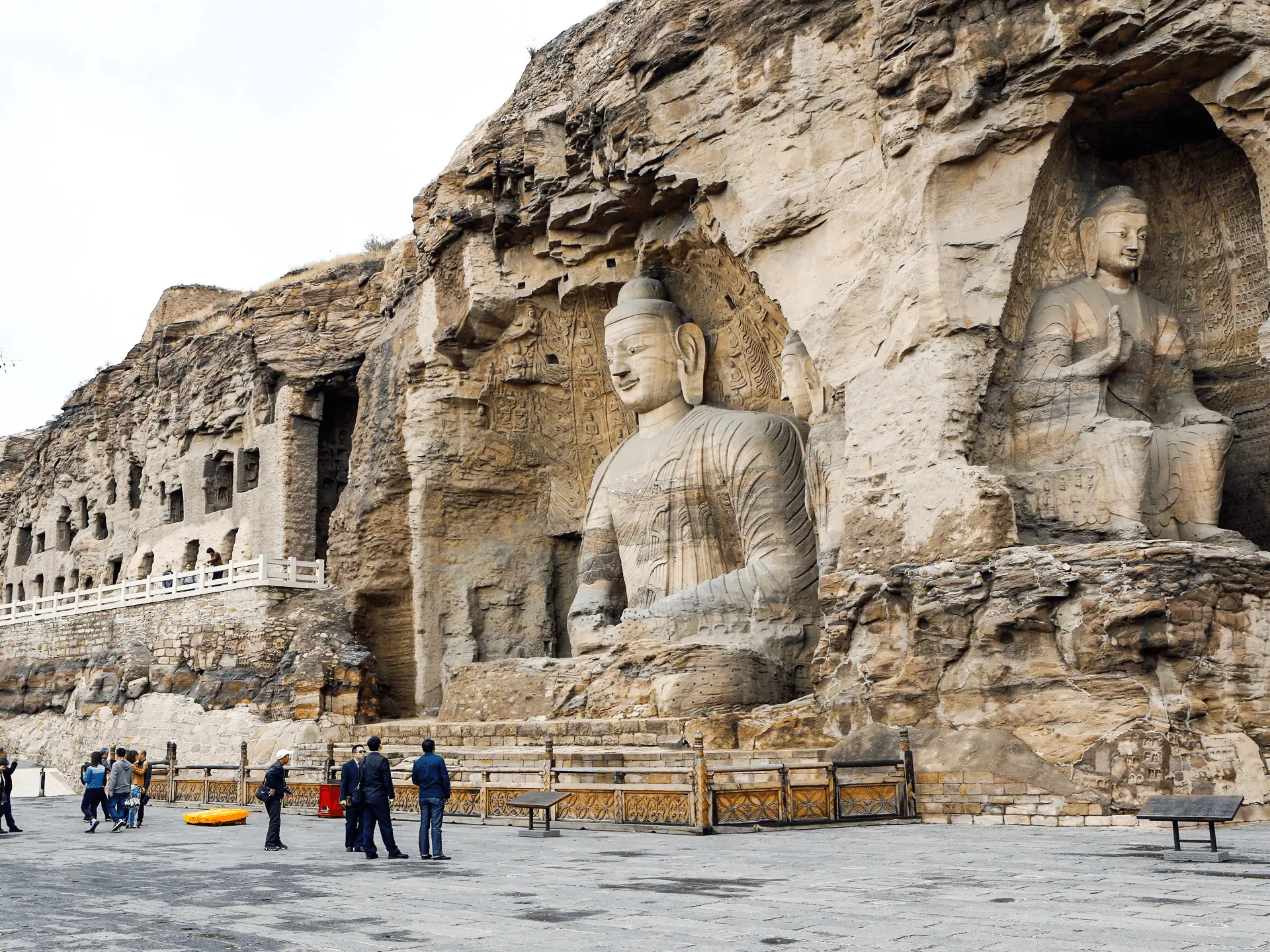
Yungang Grottoes
Yungang is rich in Buddhist sculpture, while Longyou has almost no decorative carving.
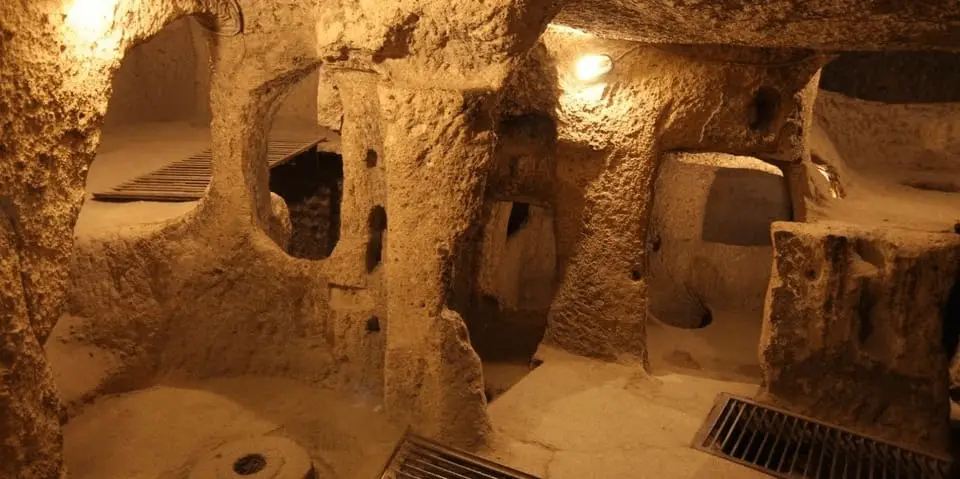
Cappadocia Underground Cities
Cappadocia served habitation and refuge functions; the purpose of Longyou remains uncertain.